An npk dry granulator uses roller compaction to turn fine fertilizer powders into dense granules. This machine suits plants that work with urea, ammonium sulfate, potassium chloride, and sulfate of potash. The dry route avoids water addition and drying, so your production floor can move from powder to packaged granules more quickly. Your team can also produce uniform particle sizes that meet handling and application requirements. For a compact fertilizer production line, this extrusion approach keeps the process short and continuous.
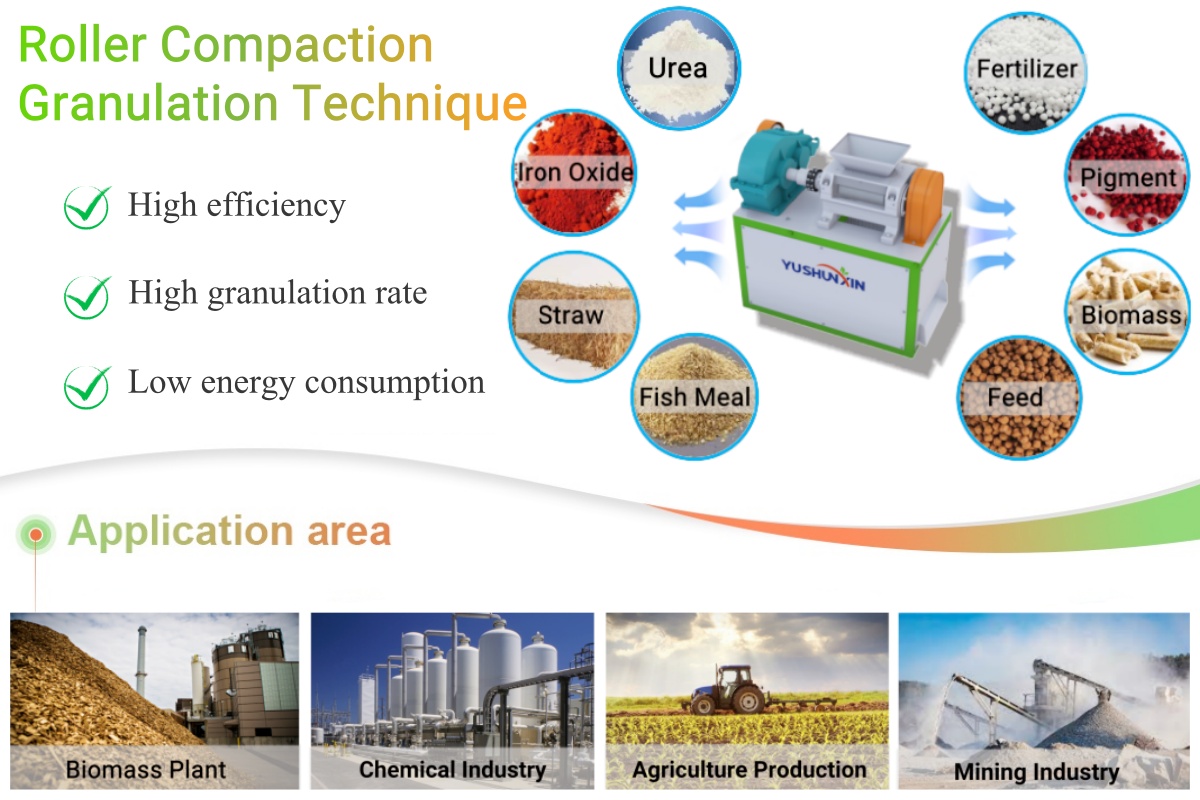
npk dry granulator
Which NPK dry granulator handles urea, ammonium sulfate, potassium chloride, and sulfate of potash?
You can choose a double roller press granulator when the formula contains urea, ammonium sulfate, potassium chloride, or sulfate of potash. The rollers compact the powder under high pressure and shape it into flakes or briquettes that later pass through a screening unit. Because the process does not require steam or hot air, these materials keep their chemical properties and flow well into bags. The machine also accepts blends with different nutrient concentrations, so your operators can switch formulas without changing the core equipment. This flexibility gives a organic fertilizer processing plant a stable route for high, medium, and low concentration products. Regular pressure checks help your team keep granule hardness within the required range.
How does dry granulation technology form NPK fertilizer granules from powder?
The dry granulation machine feeds powder between two counter-rotating rollers. High pressure compresses the powder into a dense sheet, and a crushing stage breaks the sheet into granules. A screening unit then separates the target size from fine particles, and the fine particles return to the feed inlet for another pass. This closed loop raises material utilization and gives your plant a consistent granulation ratio. Because the line works at room temperature, your team avoids the energy cost of dryers and coolers. The resulting granules leave the organic fertilizer manufacturing system ready for screening, coating, or direct packaging according to your production plan.
What equipment features matter in an NPK dry granulator for continuous production?
Roller material, feed control, pressure adjustment, and screening capacity matter most. Hard rollers with proper surface treatment withstand continuous operation and reduce replacement frequency. A steady feeder keeps powder flow even, while adjustable pressure lets your operators match the machine to different formulas. The screening unit returns undersized material to the process, so the fertilizer manufacturing system wastes less raw material. You can also select a compact frame that fits a small building and leaves space for a conveyor and bagging station. These features support continuous output without requiring a large fertilizer machinery installation. A reliable organic fertilizer extrusion technology helps plant owners maintain stable granules across long production runs.
How does a fertilizer manufacturing system improve production efficiency?
A well-matched system connects feeding, compaction, crushing, screening, and packaging into one flow. Your workers move less material by hand, and the line keeps particle size within a narrow range. This arrangement shortens the fertilizer manufacturing process and makes capacity easier to plan. The equipment also uses less space than a wet granulation plant, so you can allocate more floor area to storage. For additional context on organic nutrient sources, you can review the organic fertilizer article. A fertilizer machinery manufacturer can provide process drawings and machine specifications that fit your building and output target.
Yushunxin supplies roller press granulators for NPK and compound fertilizer production. If your team has interest in the equipment, you can learn more about https://www.extruder-granulator.com/npk-dry-granulator.