A roller press granulator production line forms phosphate rock, limestone, dolomite, and potassium feldspar into dense granules through dry pressure. The total project cost depends on capacity, roller size, supporting machines, and building space. Your plant can start with a single granulator and add crushers, screens, conveyors, and packaging machines as output grows. This modular structure keeps a fertilizer production line flexible for small and medium mineral fertilizer plants.
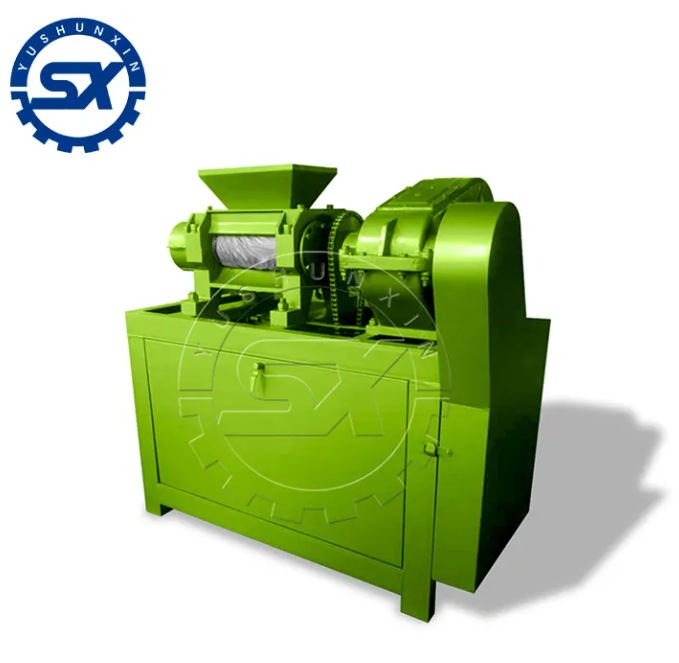
roller press granulator production line
How do capacity and supporting machines shape a roller press granulator production line cost?
Capacity affects the number of granulators and the size of the crusher, mixer, screen, and packaging machine. A small line can use one granulator with a simple silo, while a larger plant may run several units together. Your team can also add a bucket elevator and belt conveyor to move material between stations. These choices change the fertilizer production investment because each extra machine adds power use and floor space. A clear roller press granulator production line system helps you estimate the full equipment list before construction.
How does the dry roller process handle phosphate rock, limestone, dolomite, and potassium feldspar?
Your operators first reduce the minerals to a fine powder, then feed the powder into the hopper. A screw conveyor moves the material between two rollers, and the rollers press it into a dense sheet. A crushing unit breaks the sheet into granules, and a screen separates the target size from fine powder. The fine powder returns to the feed, so the roller press granulator production line machine wastes less raw material. This dry route works without a dryer and keeps the minerals stable.
Which equipment features improve mineral fertilizer granulation?
A welded steel frame supports the rollers, and a hydraulic system gives your operators precise pressure control. The feeding screw keeps the powder flow steady, while the cutting and crushing devices form the compacted sheet into granules. A screen returns fine particles to the process and keeps the product size consistent. These features support a measured mineral fertilizer granulation technology for continuous production. You can also review mineral fertilizer granulation technology to see how the roller press fits a full processing plant.
How can a roller press granulator lower mineral fertilizer manufacturing cost?
The dry process removes the dryer and cooler, so your plant saves fuel and electricity. A compact machine needs less building area, and the simple flow requires fewer workers than a wet granulation line. You can also replace or repair rollers and screens without stopping the whole plant for long periods. These factors help your team manage the fertilizer manufacturing process and keep long-term costs predictable. For background on mineral nutrients, you can read the mineral fertilizer reference. A mineral fertilizer equipment manufacturer can provide roller specifications, power data, and a complete line proposal.
Yushunxin can configure roller press granulators and supporting mineral fertilizer equipment around your capacity target. If your team has interest in the machine, you can learn more about https://www.mineralfertilizerproductionsolutions.com/product/double-roller-press-granulator.