A raymond machine dolomite turns mineral lumps into fine powder for mineral fertilizer production. The mill uses grinding rollers, a classifier, an air blower, and a cyclone collector to reduce phosphate rock, limestone, dolomite, and potassium feldspar to a controlled fineness. Your plant can feed this powder into a granulation line or blend it with other nutrients. This grinding step gives a fertilizer production line the consistent particle size that later processing requires.
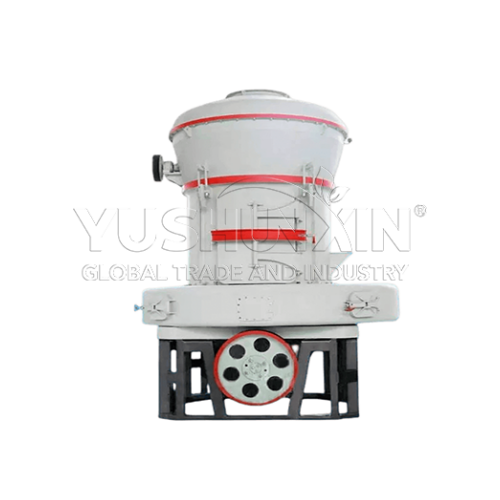
raymond machine dolomite
How does a Raymond mill grind dolomite for mineral fertilizer?
Your operators first crush the dolomite in a jaw crusher, then feed the material into the mill through a belt conveyor. The grinding rollers press the dolomite against the grinding ring, and the classifier controls the final powder size. Fine powder enters the cyclone separator, while coarse particles fall back for another pass. This process produces a uniform powder that mixes easily with other mineral fertilizer materials. The raymond machine dolomite system supports a continuous supply of ground mineral for your production line.
Which mineral materials suit a Raymond mill?
Limestone, dolomite, phosphate rock, potassium feldspar, gypsum, and bentonite all suit Raymond milling. The machine can reduce these materials to a fine range that improves mixing and granulation. Your team can adjust the analyzer speed to control powder fineness and return oversize particles for further grinding. This flexibility makes the mill useful for mineral fertilizer plants that process several ore types. The raymond machine dolomite line helps your plant prepare raw minerals before blending or pelletizing.
How does fine mineral powder improve fertilizer manufacturing?
Fine powder mixes more evenly with other nutrients and binds more easily in a granulator. A consistent particle size helps your operators control granule formation and reduces the amount of oversize material that must return to the process. The mill also uses less energy than some wet grinding routes because it works dry. These features support a mineral fertilizer granulation technology that keeps the process stable. You can also review mineral fertilizer granulation technology to see how grinding connects to granulation and packaging.
How can plant owners use a Raymond mill to control fertilizer production cost?
The dry grinding process avoids the water handling and drying that wet milling may require. Your team can select a mill size that matches daily capacity and avoid buying a larger machine than the plant needs. Regular maintenance of the rollers and classifier keeps the powder size steady and prevents unplanned stops. These choices help your fertilizer processing plant manage both power use and long-term operating cost. For background on mineral nutrients, you can read the mineral fertilizer reference. A mineral fertilizer equipment manufacturer can provide mill parameters and a complete line proposal.
Yushunxin can supply Raymond mills and related mineral fertilizer equipment for your project. If your team has interest in the machine, you can learn more about https://www.mineralfertilizerproductionsolutions.com/product/raymond-mill.