npk blending plant
Which npk blending plant system suits a low-budget NPK project?
A npk blending plant system suits a low-budget NPK project because it uses fewer machines than a full granulation plant. You can install a batching system, a horizontal mixer, a screening machine, and a packing scale without a dryer. This layout produces blended fertilizer quickly and keeps the fertilizer manufacturing process simple. You can compare the general definitions for fertilizer when you set the nutrient formula.
How does an npk blending plant line differ from a granulation plant?
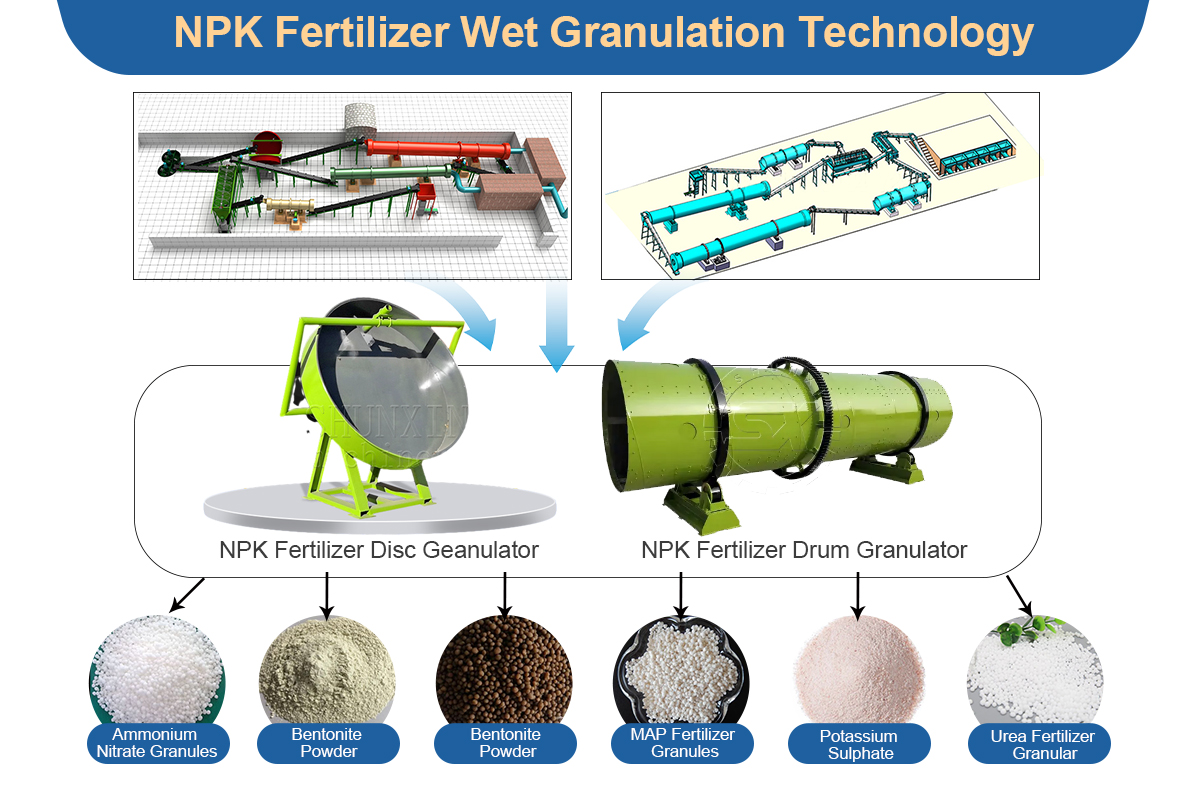
An npk blending plant line differs from a granulation plant because blending keeps the raw materials as particles, while granulation uses a rotary drum granulator to bond them into pellets. Compound fertilizer processing technology helps you choose between these routes according to your product specification. Blending works well for local distribution, while granulation supports longer storage and more uniform nutrient release.
Which product and market factors should NPK manufacturers review?
NPK manufacturers can review bag appearance, storage stability, nutrient distribution, and customer preference. A granulation plant produces stronger, rounder granules and reduces segregation, while a blending plant lowers initial investment. You can match the selected route to the fertilizer equipment and the target market. This planning helps you avoid paying for unnecessary fertilizer machinery.
Which capacity and budget comparison helps investors decide?
Capacity and budget comparison helps investors decide between blending and granulation. A small project can start with a blending line and add granulation later, while a large export plant may need granulation from the first stage. You can expand the batching and packing units as output grows. This staged approach controls fertilizer production cost and keeps the fertilizer processing plant flexible.
Which npk blending plant comparison helps NPK manufacturers reduce segregation and dust?
You can compare a single shaft mixer with a double shaft mixer and a fully automatic batching system by mix time and dust control. This comparison helps NPK manufacturers keep urea, diammonium phosphate, potassium chloride, and ammonium sulfate evenly distributed. A sealed mixing chamber also controls dust during loading and discharge. This setup lowers fertilizer production cost and keeps the fertilizer processing plant clean and easy to operate.
To summarize, NPK manufacturers should choose an npk blending plant for simple mixing or a granulation plant for uniform pellets, based on product form and market demand. You can match the machines to your capacity and budget. A reliable fertilizer equipment manufacturer can supply the complete blending or granulation system. Yushunxin provides this NPK fertilizer manufacturing equipment. If you have interests, you can learn more about https://www.fertilizerproductequipment.com/npk-fetilizer-plant-cost